
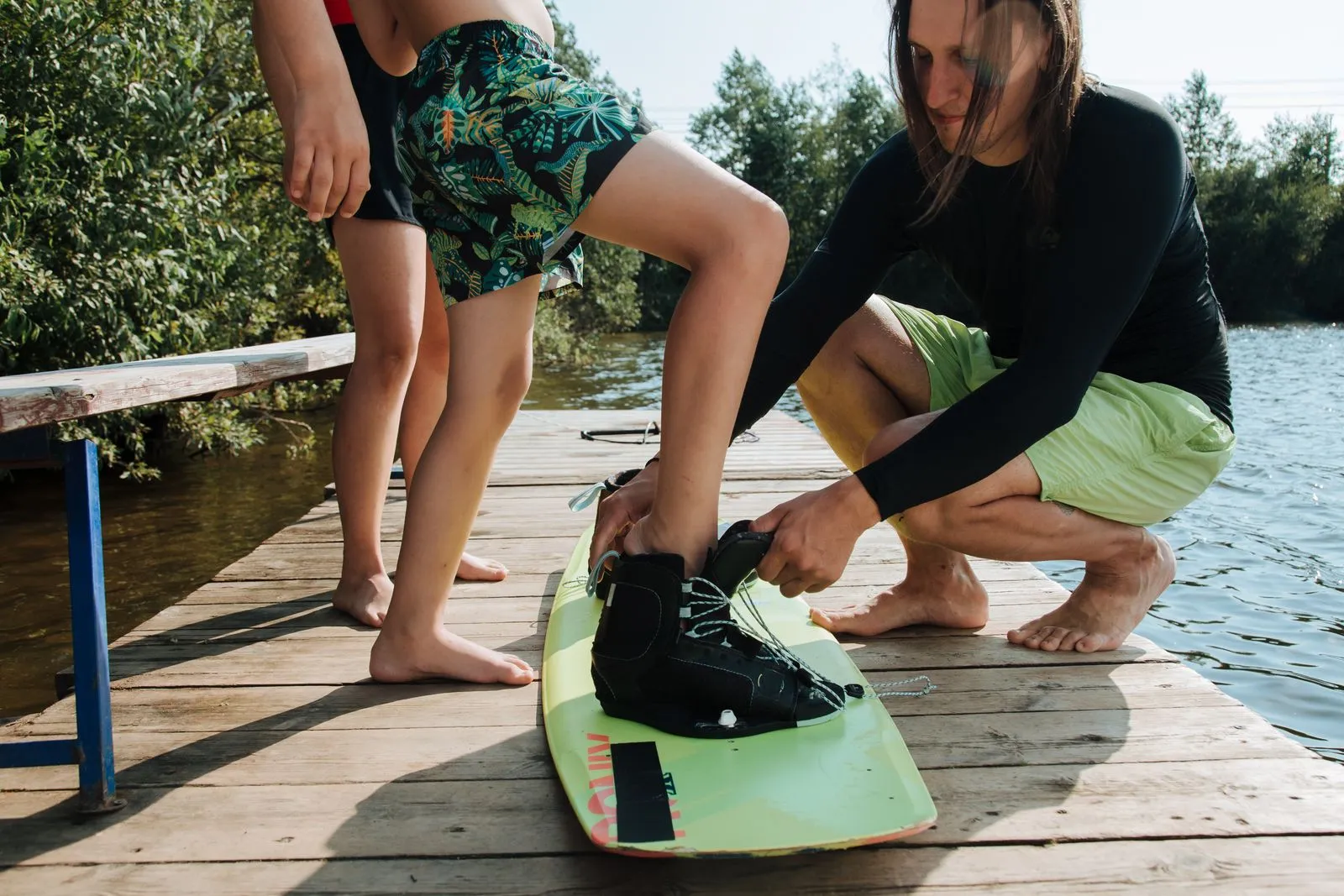
A well-planned camp bag helps make a day on the water safer and more comfortable. Choose clothing that can get wet, dries quickly, and stays secure during movement. Add sun protection you can reapply, plus a few personal essentials in a waterproof bag. Check the camp’s instructions before packing: activity plans, equipment, and storage arrangements can vary, and the camp may provide some items.
Choose Water-Ready Clothing
Pack swimwear that fits securely and allows you to move freely. Add a rash guard or lightweight long-sleeved top for extra coverage, and bring quick-drying shorts or leggings if they suit the planned activities. Avoid cotton as your main on-water layer; it can stay wet and feel heavy. Choose clothing without loose cords or dangling pieces that could catch on equipment.
Bring a complete change of clothes for after the session, including underwear and socks. A light layer can be useful for cooler conditions or time spent off the water. Pack a towel and a separate bag for wet gear. If the camp specifies footwear, follow that guidance; otherwise, ask whether water shoes or secure sandals are appropriate for the activities.
Plan Sun Protection
Pack broad-spectrum, water-resistant sunscreen and apply it before arriving, following the label’s directions. Bring enough to reapply during the day, especially after swimming or toweling off. Protect commonly missed areas such as ears, the back of the neck, and the tops of feet. If you have sensitive skin, choose a product you already know you tolerate.
A brimmed hat can help shield your face during breaks, while sunglasses with a secure strap protect your eyes in bright conditions. Consider a long-sleeved sun shirt for extended time outdoors. Sun protection works best as a routine: use clothing and shade when available, and ask staff when participants will have an opportunity to reapply sunscreen.
Pack Personal Essentials
Use a waterproof pouch or dry bag for items that must stay dry, such as a phone, keys, and any necessary medication. Keep medication in its original packaging and tell camp staff about relevant instructions or allergies before activities begin. Do not assume personal devices or valuables can be stored securely; check the camp’s policy and leave nonessential items at home.
Include a refillable water bottle labeled with the participant’s name, plus any required identification or completed forms. Pack a small snack only if the camp permits it and the participant has no food restrictions that need staff coordination. Label clothing, towels, and reusable gear to make misplaced items easier to identify.
Check Before You Go
Review the camp’s packing list and activity guidance before the first day. Confirm whether equipment, life jackets, sunscreen, or towels are provided, and ask about footwear, changing facilities, and where bags are kept. This prevents unnecessary packing and helps you avoid arriving without an item the camp requires.
Lay everything out the night before and separate dry clothing from wet-weather or water gear. Check the forecast, but pack for changing conditions rather than relying on one outfit. A simple checklist—clothing, towel, sun protection, water bottle, personal essentials, and any camp-required items—makes it easier to prepare consistently.
Prioritize secure swimwear, quick-drying layers, sun protection, a change of clothes, and clearly labeled essentials. Then compare your bag with the camp’s current instructions so you know what to bring and what will be supplied. For packing guidance specific to your sessions, contact Cambridge Water Camp before the first day.