
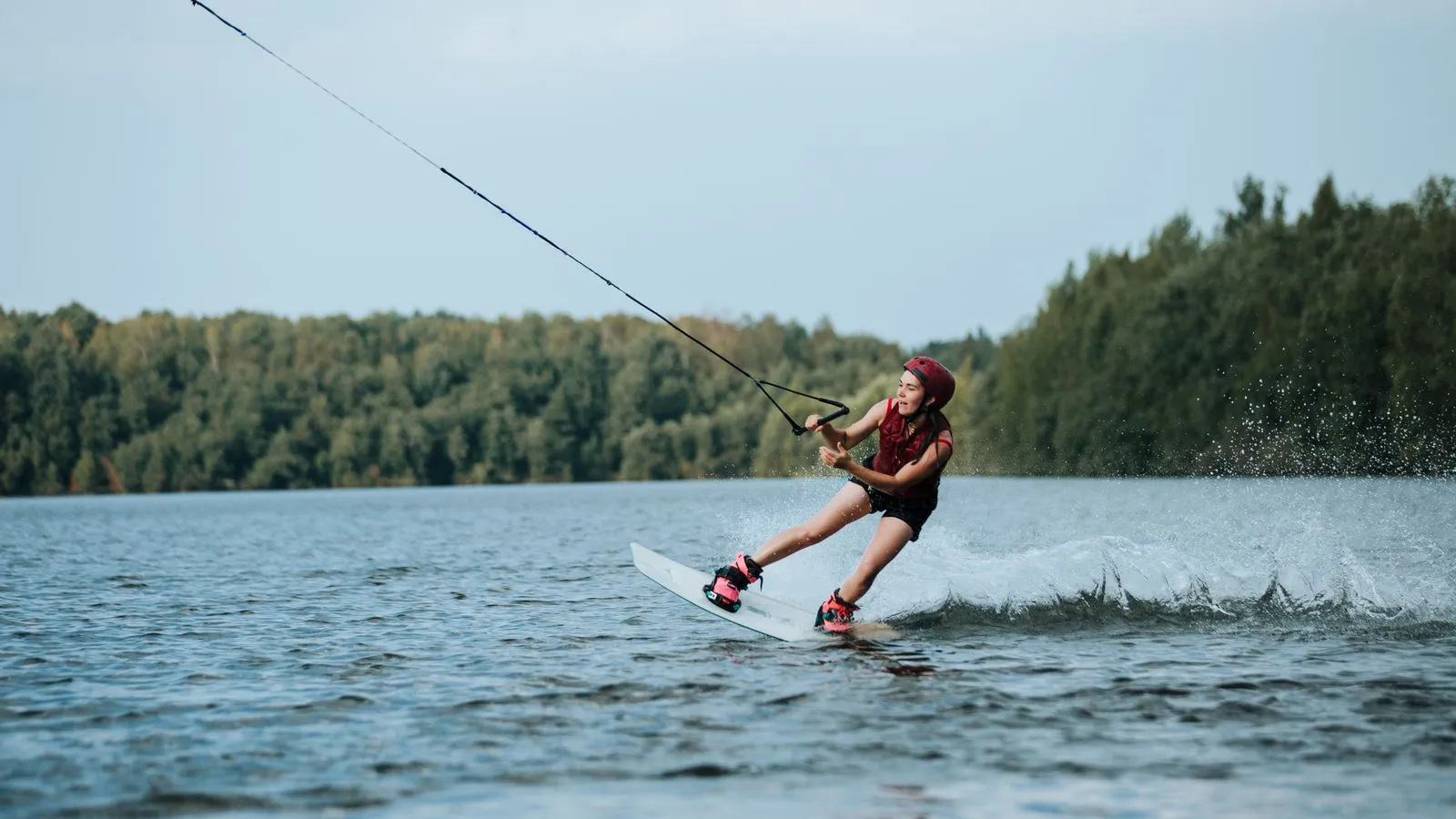
A good water sports camp should match your child’s interests, experience, and comfort around water—not just offer an appealing activity list. When comparing Cambridge-area options, ask what children will do each day, who will teach them, and how the camp adapts sessions to different abilities. Check safety procedures before you book, including supervision, equipment, and plans for changing weather. Clear answers help you choose a program where your child can learn at a manageable pace.
Compare Activities and Time on Water
Look beyond the camp’s headline activities. Ask whether the schedule includes kayaking, paddleboarding, sailing, or other options, and how much time children spend participating in each. Some programs rotate through several sports; others focus on one skill. Consider which format suits your child’s interests and attention span, and whether sessions include breaks and time for instruction on shore.
Ask how the camp adjusts its plans for age groups and weather. A useful schedule explains what happens if wind, rain, or water conditions make an activity unsuitable. Check whether indoor or land-based alternatives are available, and whether the camp will contact parents when plans change.
Check the Instruction
Ask who leads each session and what relevant training or qualifications instructors hold. Find out how many children are assigned to each instructor, whether groups are split by age or ability, and how staff supervise children while they are on the water. Clear answers help you understand how much individual guidance your child is likely to receive.
Ask how instructors teach beginners and respond when a child feels uncertain. A well-organized program explains new equipment and techniques before children use them, demonstrates tasks, and gives participants a chance to ask questions. If your child needs extra reassurance or has learning or mobility needs, describe those needs and ask what adjustments the camp can make.
Confirm Skill and Age Requirements
Do not assume that every camp accepts complete beginners or that a confident swimmer can join any activity. Ask about minimum and maximum ages, swimming ability, prior experience, and any activity-specific requirements. Confirm whether the camp assesses skills on arrival and how it places children in groups.
If your child has taken lessons before, describe what they can do rather than relying on a general label such as “intermediate.” Ask whether participants can move to a different group if the pace is too easy or demanding. The right placement supports progress without pressuring a child to attempt activities beyond their current ability.
Ask About Safety Procedures
Ask what safety briefing children receive, what personal flotation equipment is provided, and how staff check that it fits. Confirm how instructors monitor participants on the water and what procedures they follow if a child becomes distressed, separates from the group, or needs assistance. Also ask what first-aid arrangements are in place and how parents are contacted in an emergency.
Check whether the camp explains its weather and water-condition rules, including who decides to pause or cancel an activity. Ask what children should bring, such as suitable clothing, sun protection, and a change of clothes, and whether the camp supplies activity equipment. Before enrolling, review the registration forms and make sure you can share relevant medical information and emergency contacts.
Compare camps using the same questions about activities, instructors, entry requirements, and safety. Look for specific answers that fit your child’s experience and needs, and raise any concerns before booking. Cambridge Water Camp can explain its program and requirements; contact the camp to discuss whether it suits your child.